
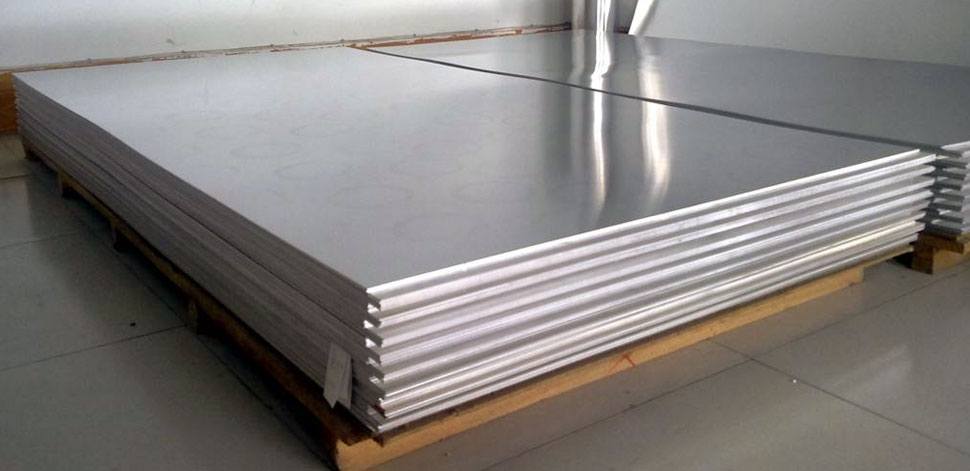
Duplex Steel Plates: Strength, Durability, and Corrosion Resistance for Demanding Applications
In today’s fast-paced global market, industries are constantly seeking high-performance steel solutions that deliver strength, corrosion resistance, and long-term durability. Among the top contenders are duplex steel plates—a premium choice for applications where both mechanical integrity and environmental resilience are critical.
Whether you’re in the manufacturing, construction, oil & gas, or marine sector, duplex steel plates offer a reliable and cost-effective answer. Let’s explore what makes these steel components so valuable across industries.
🔍 What Are Duplex Steel Plates?
Duplex steel plates are a specialized category of stainless steel that feature a dual-phase microstructure—roughly equal parts austenite and ferrite. This combination results in superior mechanical properties and excellent corrosion resistance, setting them apart from standard stainless steel grades.
Key features include:
-
High tensile and yield strength
-
Superior resistance to stress corrosion cracking and fatigue
-
Exceptional toughness, even in low-temperature environments
This makes duplex steel plates especially ideal for harsh conditions such as offshore platforms, marine structures, and chemical plants.
🛡️ Outstanding Corrosion Resistance
One of the most notable qualities of duplex steel plates is their resistance to corrosion. Thanks to a high concentration of chromium, molybdenum, and nitrogen, these plates perform exceptionally well in aggressive environments—resisting:
-
Pitting
-
Crevice corrosion
-
Stress corrosion cracking (SCC)
-
General oxidation
They are especially effective in chloride-rich settings, such as seawater processing or acidic chemical handling, making them a go-to steel solution for longevity and performance.
💪 Superior Mechanical Properties
Duplex steel plates offer mechanical strength on par with, or exceeding, many other high-strength steel and alloy options. Compared to traditional austenitic stainless steels (like 304 or 316), duplex plates provide:
-
Higher strength-to-weight ratio
-
Greater resistance to mechanical wear
-
Excellent structural stability under pressure
This strength allows for thinner, lighter structures without compromising safety or performance—translating into material and cost savings.
⚙️ Applications of Duplex Steel Plates
The unique blend of strength and corrosion resistance makes duplex steel plates a smart choice for high-stakes industrial projects. Common applications include:
-
Oil & Gas Industry: Offshore rigs, subsea equipment, pressure vessels
-
Chemical Processing: Storage tanks, heat exchangers, reactors
-
Marine Engineering: Ship hulls, structural supports, mooring systems
-
Desalination Plants: High-salinity fluid handling systems
-
Infrastructure: Bridges, high-rise supports, piping systems
In all these environments, duplex steel plates deliver dependable, long-term performance.
🧽 Maintenance Tips for Duplex Steel Plates
Although duplex steel plates are low-maintenance, proper care ensures maximum lifespan:
-
Clean regularly to prevent surface contamination
-
Avoid abrasive tools like steel brushes which can scratch and compromise protective layers
-
Use pH-neutral, non-abrasive cleaners
-
Inspect periodically for signs of localized corrosion or stress wear
With proper handling, these plates can serve reliably for decades.
✅ Conclusion: A Smart Investment for High-Performance Projects
Duplex steel plates combine the best attributes of ferritic and austenitic stainless steels, offering strength, flexibility, and unmatched corrosion resistance. Their ability to thrive in extreme conditions makes them the steel of choice for industries like oil & gas, marine, chemical processing, and heavy infrastructure.
If you’re seeking a high-strength, corrosion-resistant steel solution with long-term value, duplex steel plates should be at the top of your materials list. Designed to endure and perform, these plates are built to last—even in the toughest environments.